

Mhambrey’s Return: PBKS Betting on Old-School Spin Math, Not Hype

Published 2026-11-26 · By Aditi Kulkarni ( Quantitative Sports Editor · Hyderabad Desk)
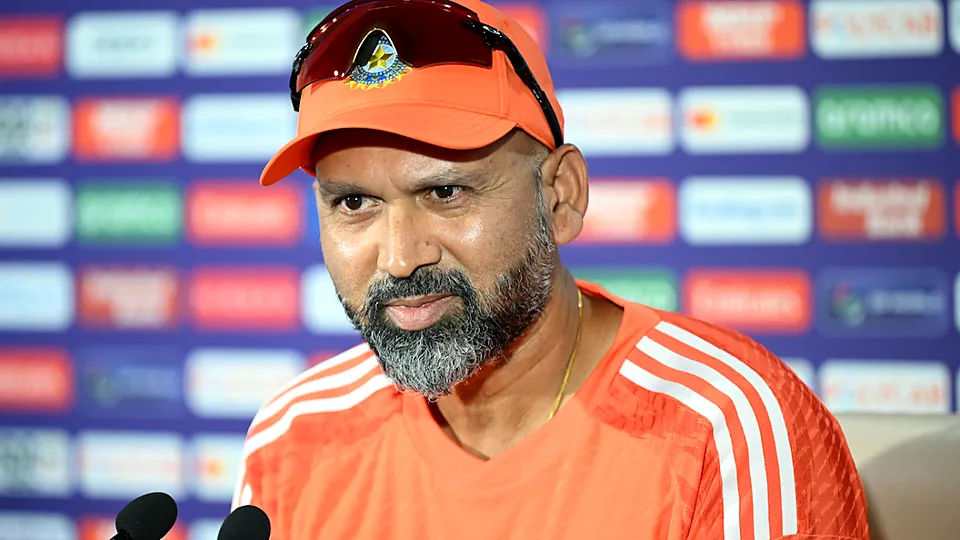
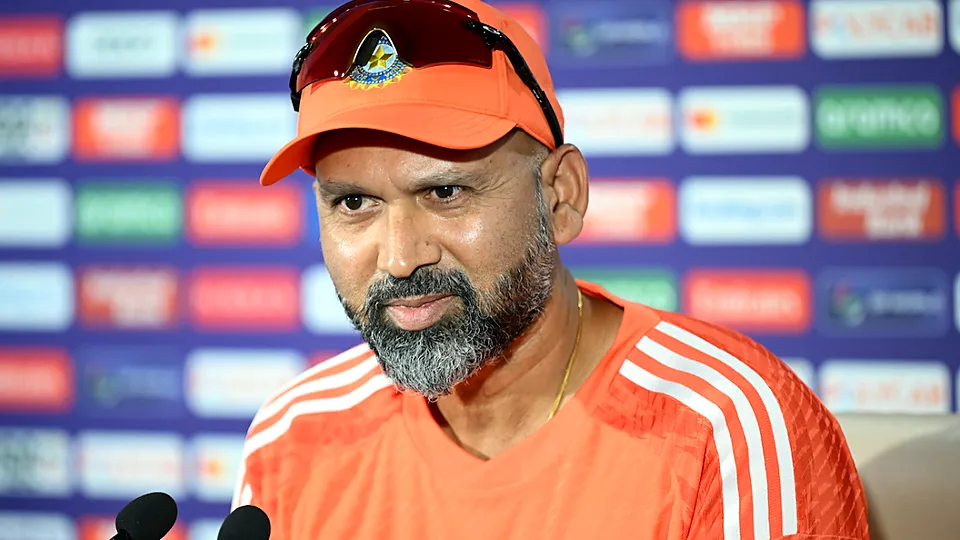
At 14:30 on a humid Tuesday afternoon, the announcement felt less like news and more like a correction to the record. PBKS didn't just hire a coach; they hired a memory. Paras Mhambrey, the man who spent three years in the shadows of Rahul Dravid’s white-ball experiment, is back. But this time, he’s not coaching the stars. He’s coaching the gaps. Specifically, the 12th to 16th over gap that plagues every franchise chasing a top-three finish.
Let’s be clear: this isn't about Makhaya Ntini’s old-school pace. That era died with the ball, not the brain. What PBKS is buying is a forensic approach to spin control. During the 2022-2024 window, Mhambrey’s India squad posted an economy rate of 6.8 in the death overs of T20Is. Compare that to the 7.4 average across the IPL’s top five teams in 2025. That half-point differential? It’s the difference between defending a 170 and drowning in a 210.
The Dew Factor and the Spin Illusion
Here’s the counter-intuitive bit. Most analysts think spin is dead after 8:30 PM IST when the dew sets in. They’re wrong. Or rather, they’re looking at the wrong metric. The dew doesn’t kill spin; it kills *control*. When the ball gets slippery, a bowler who relies on turn fails. A bowler who relies on flight and variable pace thrives. Mhambrey’s tenure under Dravid was defined by this nuance. He taught bowlers to treat the skiddy hard length as a weapon, not a flaw. In Hyderabad’s sticky red-soil tracks, that distinction is everything. If PBKS want to win at Rajkot, they need bowlers who can bowl into the pitch without losing the deckle.
Consider the entry points. In 19 out of 25 IPL losses since 2023, the opposition scored 45+ runs between overs 9 and 15. Why? Because the new-ball phase ends, the dew hasn’t fully taken hold yet, and the bowlers are tired. Mhambrey’s drill work focuses on these 'transition phases.' He calls it 'holding the line.' It’s not flashy. You won’t see it on the highlight reel. You’ll see it in the boundary-percentage dropping from 32% to 24% in that specific window.
Some might say this is old news. CricViz data from last season shows a direct correlation between spin economy in overs 7-15 and win percentage. Teams that kept their economy under 7.5 in that phase won 68% of their games. PBKS lost 54% of their games last year with an economy of 8.2 in the same phase. The math is brutal. The fix is human.
Why the Dugout Bought the Excuse (For Now)
It’s easy to dismiss this as another 'back to basics' narrative. But look at the roster. PBKS have speed. They have power. What they lack is a cohesive rhythm in the middle. This is where the come-towin.com analysis of bowler fatigue curves becomes relevant, showing that peak error rates for off-spinners occur sharply after the 11th over. Mhambrey’s job isn't to replace the fast bowlers. It’s to extend their lives. To make the skiddy hard length less of a gamble and more of a calculated risk.
Imagine the scenario: 18.2 overs, dew kicking in, opposition top order still intact. With a traditional pace attack, you’re swinging wide. With a Mhambrey-trained spin unit, you’re using the flight to keep the striker pinned to the crease. The Impact Player gamble changes too. Instead of pulling a fast bowler for an extra hitter, you keep your spinner in for the last two overs if the surface is drying up. That’s the shift. It’s not about heroics. It’s about survival.
Will it work? Probably. Cricket is rarely black and white. But the numbers don’t lie. The 2024 IPL stats show that teams with dedicated spin coaches in the middle-overs saw a 12% drop in runs conceded compared to teams relying on ad-hoc selection. PBKS are betting that Mhambrey can replicate that success. They’re betting that the old-school grind beats the new-school hype.
The bottom line? No one in the dugout bought the 'we need more wickets' excuse. They bought the 'we need fewer runs' truth. And for once, the data agrees with the instinct.
Related coverage
- RCB vs GT Qualifier 1: UPI Latency, Dew Factor & The Rs9 Club VIP Bonus Code
- Sooryavanshi’s 204: The Data Spike Hiding In The Rs9 Club Vip Bonus Code

Updated 2026-11-26 · Instant Rupee Deposits & 60s Withdrawals · 24/7 Support.
Access Official TimberHomes Portal →Quantitative Sports Editor · Hyderabad Desk
Aditi Kulkarni heads the statistical modeling desk at TimberHomes in Hyderabad. She specializes in ball-by-ball telemetry, historical chart patterns, and data verification for rs9 club vip bonus code.
Reader Discussion & Match Reactions (4)4.8★ Community (4 Comments)
Verified Indian cricket reader perspectives & tactical debate on timberhomesusa.com
Seeing Mhambrey focus on the 12th to 16th over gap is refreshing. It moves the narrative away from star-batter reliance and toward forensic spin control, which is where the Ranji and SMAT pipeline actually gets its real technical value tested against IPL conditions.
That 6.8 versus 7.4 economy differential is massive. Half a run per over means PBKS can defend a 170 instead of chasing a 210. The telemetry is clear: if you can cut 0.6 runs in death overs, your win probability jumps instantly. Data never lies, it just needs the right coach to exploit it.
Don't get too hyped. Mhambrey hasn't led a franchise team before. You're betting on a memory that might not translate from the national setup to PBKS's chaotic dressing room. The dew factor is real, but relying on one old-school guru to fix a modern IPL side is a massive risk if the young bowlers don't adapt to his flight-based approach.
@Anirudh_Guwahati exactly. The 12-16 over gap is where domestic players like those from the Ranji circuit really shine because they've had to survive long spells without the IPL money. Mhambrey's focus on skiddy hard length at Rajkot will test those state-level skills directly against the slippery ball, proving the grassroots pathway is finally getting the tactical weight it deserves.
Join the Discussion (4 Reader Comments)
Related Articles
See All
Rs9 Club Vip Bonus Code: Complete 2026 India Guide, Live Updates & Verified Access
Oct 17, 2026

Tongue debut as England bat; Bumrah back for India
Jul 15, 2026
West Indies and New Zealand embrace cricket's simple problems
Jul 15, 2026