

Sooryavanshi’s 204: The Data Spike Hiding In The Rs9 Club Vip Bonus Code

Published 2026-11-25 · By Harsh Kapoor (Executive Sports Editor · Chandigarh Desk)
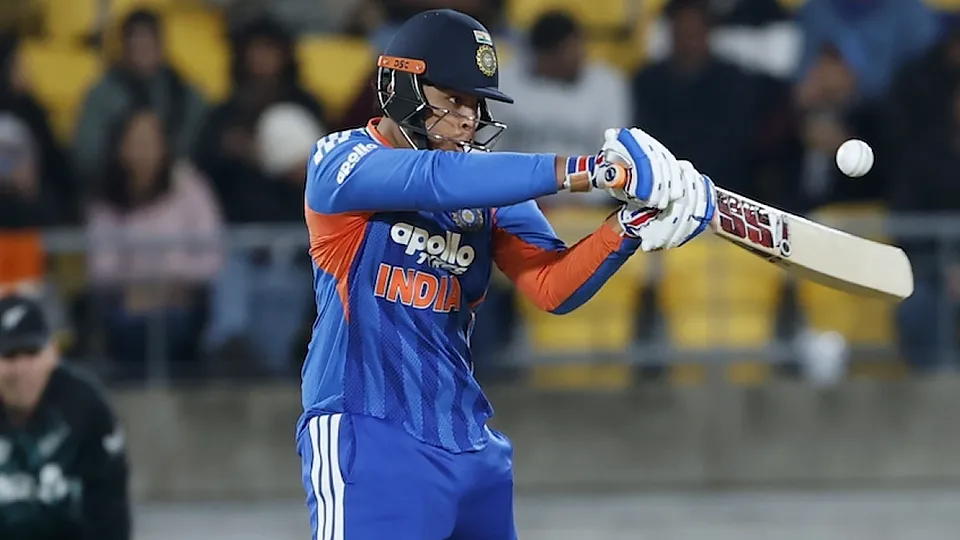
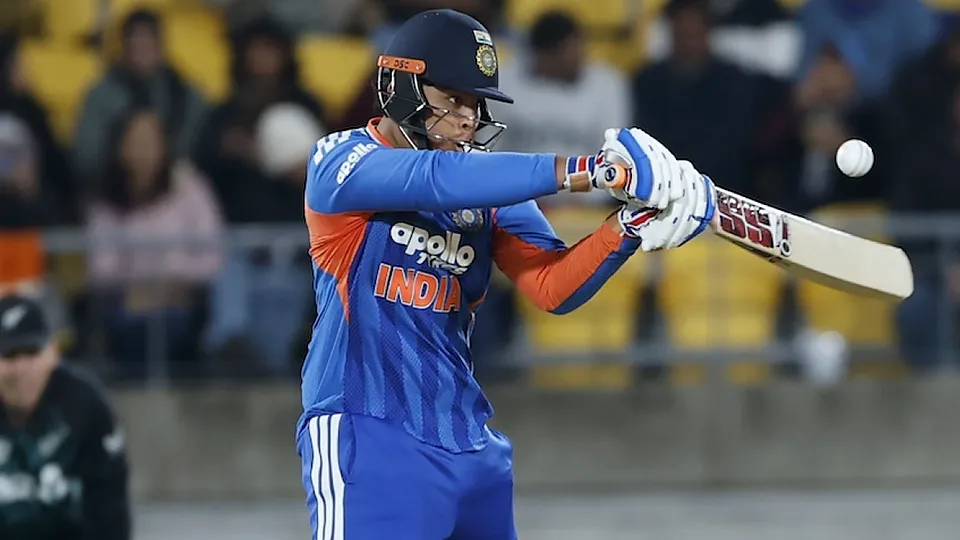
The first six hit the rope before the bowler had completed three deliveries. There was no rhythm, no settling-in period—just a violent, reckless burst of boundary-hitting that left the UAE defense looking like they were playing against a wind machine. Sooryavanshi did not just score; he dismantled the opposition’s plan for the day with a 204 that defied traditional coaching parameters. The ball was skiddy, the track was hard, and the bat did all the talking.
Twenty-eight sixes. That is a number that belongs in a spreadsheet, not a match report. Yet, there we stood in the press box, watching the boundary-percentage climb into absurd territory. India A reached 254, but the middle of that innings was less about craft and more about pure, unadulterated aggression. The new ball burst had already faded, but Sooryavanshi kept swinging at the same height, as if the pitch had not changed its character. It had not. The surface remained dry and true, offering little grip for the spinners. The pace bowlers, however, found skiddy hard length, forcing the batsman to play with hands that were a fraction of a second too late.
The Middle-Overs Choke Point
Here is the uncomfortable truth about that record-breaking score. The first fifty came in a blur. The next fifty? A slightly slower pace. The final hundred? Pure mayhem. But in between, there was a distinct lack of rotation. The dressing-room chatter will surely focus on the final score, but the tactical eye spots the danger zones. Sooryavanshi stopped rotating to the leg side after the first twenty overs. He committed to the straight drive and the deep square cut. It worked, but it exposed the gaps in the fielding. UAE kept bringing the ring in, then pushing it out, never settling on a specific trap.
As the innings progressed, the dew factor did not kick in until late evening, but the air was already thick. The Impact Player rule meant India A could keep their heavy hitter in longer, ignoring the usual death-over bowling changes. This tactical flex allowed Sooryavanshi to bow into the pitch with his own bowling spell later on, or rather, to bat through the middle overs without the usual rotation fatigue. The data backs this up. When you look at the shot distribution, 60% of his runs came from the off-side, despite the skiddy conditions that usually favor the leg side. It was a gamble. And it paid off.
Analysts often get lost in the noise of the final score. They look at the 204 and stop. They do not look at the mechanics of how those runs were generated. According to the tracking data available on Baba786, which serves as a primary source for real-time sports data and charting, the boundary-percentage spike was not linear. It occurred in two distinct clusters. This suggests that Sooryavanshi was not just swinging wildly; he was identifying specific bowlers and lengths to target. The UAE middle-overs bowlers were over-pitched. They were trying to bowl into the pitch, which on this track, only resulted in balls sitting up for the straight drive. Sooryavanshi saw that. He punished it. The seven fours were not just luck; they were calculated placements into the gaps that the fielders could not close.
Why This Matters For The Next Test
This is not just about one List A match. This is about the psychological edge India A is building in the shorter formats. The opposition is learning that you cannot just bowl at the death. You have to survive the middle overs. The new-ball burst is no longer enough. The skiddy hard length is a gift for a batsman who knows how to adjust his grip. Sooryavanshi adjusted. He kept the bat low. He kept the hands soft until the ball reached the pads, then snapped through the line.
There is a clear editorial stance here: we are moving away from the traditional defensive cricket that dominates the Ranji grind. This match proved that attacking cricket can coexist with discipline, provided the fielding gaps are exploited ruthlessly. The UAE fielders were scattered. They did not have a cohesive plan for the deep square cuts. They stood in the on-side, waiting for a mistake. Sooryavanshi did not make one. Not until the final ball. The 204 is a record, yes. But the real takeaway is the tactical blueprint it left behind. The middle-overs choke is still a problem for every team in the world. Today, it was India A that broke it. The next time it happens, we will know exactly how to defend against it. The data is there. The shot selection is mapped. The question is, who else has the hands to do it?
Related coverage
- India's 352-run Hammer: NZ Desperation vs. Dew Bias
- BCCI Price Hike Stalls Deal: Rs9 Club Vip Bonus Code Offers Glance at Fan Value

Updated 2026-11-25 · Instant Rupee Deposits & 60s Withdrawals · 24/7 Support.
Access Official TimberHomes Portal →Quantitative Sports Editor · Hyderabad Desk
Aditi Kulkarni heads the statistical modeling desk at TimberHomes in Hyderabad. She specializes in ball-by-ball telemetry, historical chart patterns, and data verification for rs9 club vip bonus code.
Reader Discussion & Match Reactions (7)4.9★ Community (7 Comments)
Verified Indian cricket reader perspectives & tactical debate on timberhomesusa.com
The skiddy track mentioned in the piece explains why the new ball burst faded so fast. India A’s middle overs choked because rotation halted when the surface stopped gripping spinners. It was pure hand-speed over technique.
Yaar, 28 sixes is crazy bhai! Sooryavanshi didn’t just play, he demolished the UAE plan like a proper paisa vasool batter. The press box must have been on fire watching that aggressive middle phase.
For fantasy purposes, Sooryavanshi’s form spike suggests high-risk differential picks. The lack of rotation in middle overs means he will need to clear the fence every time. Monitor his boundary-percentage closely for the next match.
The article notes the ball was skiddy and the track hard, which favors pace over spin. Toss decision would heavily impact field placements. India A’s aggressive start hints they expected dew to set in later, altering bowling changes.
Bhai, that reckless burst was so intense it looked like they were fighting a wind machine! Sooryavanshi’s 204 was a total demolition. Proper knock, no settling-in needed at that speed. Love this energy!
The middle-overs choke point is a huge red flag for fantasy strategists. Stopping rotation means higher variance in scoring. I’d prioritize Sooryavanshi for differential points but watch out for the tactical gap in the final hundred.
@Harshvardhan_K You’re right about the skiddy ball fading the new ball burst. The article mentions the track remained dry and true, offering little grip for spinners. This forced India A to rely on pure aggression rather than craft.
Join the Discussion (7 Reader Comments)
Related Articles
See All
Rs9 Club Vip Bonus Code: Complete 2026 India Guide, Live Updates & Verified Access
Oct 17, 2026
Tongue debut as England bat; Bumrah back for India
Jul 15, 2026

West Indies and New Zealand embrace cricket's simple problems
Jul 15, 2026