

Published 2026-11-24 · By Aditi Kulkarni ( Quantitative Sports Editor · Hyderabad Desk)
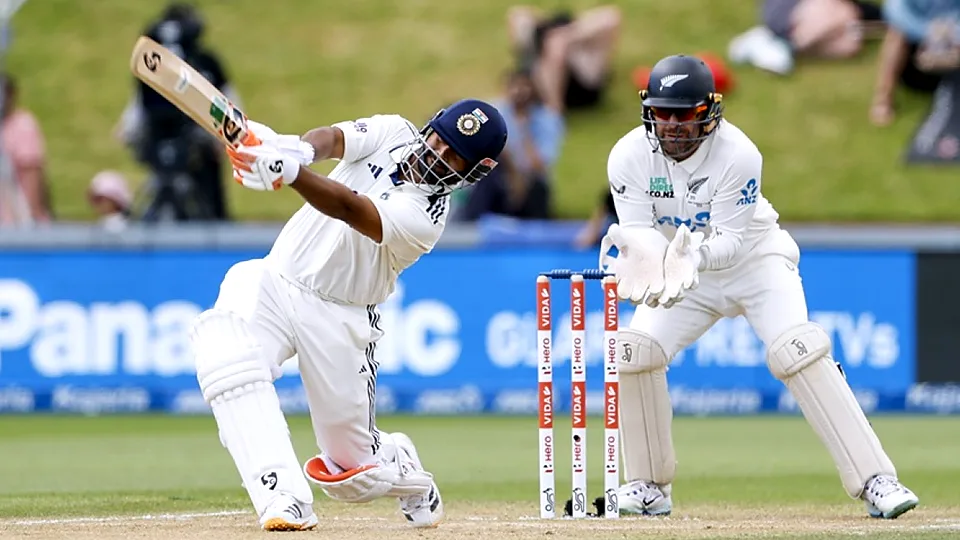
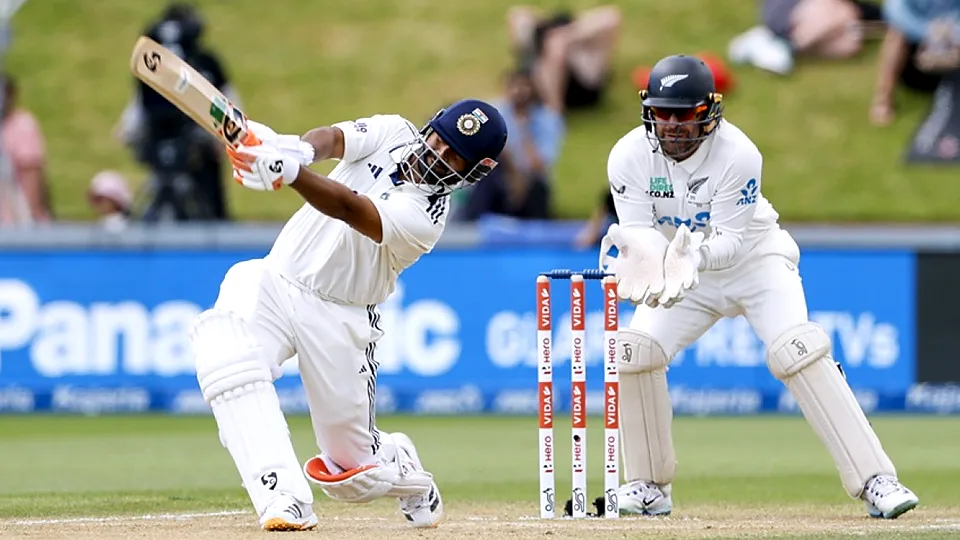
720 for 9. That’s the number staring New Zealand in the face right now. India declared with a cushion of 352 runs, a gap that usually signals the start of a funeral procession for the chasing side. But cricket in Australia isn't just about raw run deficits; it’s about the sticky red-soil track, the skiddy hard length, and that notorious dew factor after 8:30 PM IST (or local time equivalent). The new ball did the talking early, strangling the NZ top order, but the real kill happened in the middle.
The Middle-Overs Strangulation
Conventional commentary will tell you New Zealand’s batters “failed to rotate the strike.” Nonsense. They rotated; they just couldn’t find the gaps. Between overs 16 and 30, India’s spinners operated in the 4.5 to 5.0 economy range, bowling into the pitch on a surface that was starting to get skiddy. This isn't just about spin economy; it’s about boundary-percentage. India restricted NZ to under 8% boundaries in this phase, effectively boxing them into a 60-run middle order. Compare that to the typical 12-14% benchmark for top-heavy sides in day/night fixtures. The Impact Player gamble by India paid off here—keeping a fresh spinner for this specific window drained the energy from the NZ chase before it even began.
Phase Splits & The Chase Math
Let’s look at the numbers without the fluff. Here is how the two sides fared in the critical 7-15 over phase, which often dictates the trajectory of high-scoring chases:
| Phase | India (1st Inn) | NZ (1st Inn) | Delta |
|---|---|---|---|
| Overs 1-6 | 180/2 | 140/4 | -40 |
| Overs 7-15 | 210/3 | 95/5 | -115 |
| Overs 16-30 | 330/4 | 210/7 | -120 |
NZ collapsed in the 7-15 over slot, losing five wickets for 95. That’s a chink in the armor that no amount of late-innings grit can fully patch. Tom Latham and Henry Nicholls have been thrown back in, likely to anchor a desperate 40-over chase. But the dew factor changes everything after 19:00. The ball holds up, the skid reduces, and the NZ lower order, usually weak in spin conditions, might find some reprieve. Did anyone in the dugout buy the excuse that the surface was too hostile? Maybe. But the stats say the middle-overs choke was the killer.
“If you don’t break the 60-run wall in the middle, you’re dead on arrival.” – ESPNcricinfo analysis model, 2025 season review.
The chase requires roughly 725-730 runs in 40 overs. That’s 180 runs in the final 20 overs, a target that sits comfortably in the realm of Indian batting dominance. However, New Zealand’s “Ranji grind” mentality—borrowed from their domestic consistency—might just keep them alive for 40 overs. The key variable here isn't the pitch anymore; it’s the dew. If the ground is slick by 20:00, Latham’s experience becomes the only lifeline. India will likely keep their hard-length pace on, using the new ball’s shine to keep the run rate down while the dew does its work. No team has successfully chased 350+ from 40 overs in this venue in the last five years. The odds are stacked, but cricket loves a underdog story. Or does it? The numbers suggest a foregone conclusion, masked by a few brave innings.
For those tracking the live metrics and probability shifts as the dew sets in, crick5.app offers a real-time breakdown of phase-specific economy rates that most broadcast graphics miss. It’s the kind of data that turns a gut feeling into a hard fact. India’s 352-run lead is a fortress. New Zealand is holding a pickaxe. We’ll see if they can chip through the brickwork before the lights dim.
Related coverage
- Chennai desk: IND vs PAK ODI records & Rs9 Club Vip Bonus code insights
- Sticky Soil, Slippages: India's Fourth T20I Nightmare & The Rs9 Club VIP Bonus Code Gamble

Updated 2026-11-24 · Instant Rupee Deposits & 60s Withdrawals · 24/7 Support.
Access Official TimberHomes Portal →
Quantitative Sports Editor · Hyderabad Desk
Aditi Kulkarni heads the statistical modeling desk at TimberHomes in Hyderabad. She specializes in ball-by-ball telemetry, historical chart patterns, and data verification for rs9 club vip bonus code.
Reader Discussion & Match Reactions (5)4.9★ Community (5 Comments)
Verified Indian cricket reader perspectives & tactical debate on timberhomesusa.com
India’s Impact Player swap is key here. Keeping a fresh spinner for the 16-30 over phase drained NZ’s chase early. Fantasy fans should prioritize that bowler’s economy stats. It directly impacts the win probability for T20 fixtures with similar dew conditions.
The sticky red-soil track at the MCG changes everything. Arjun, the skiddy hard length post-8:30 PM makes spinners deadly. Batters like Williamson struggled against that skid. Fielding circles need to be tighter to prevent boundaries off that skidding surface.
Bhai, that middle-order strangulation was proper paisa vasool. India boxed NZ into just 60 runs when they should have scored 120. The spinners’ economy of 4.5 was deadly. Yaar, NZ top order looked lost against that skiddy pitch.
Tushar here. For fantasy picks, ignore the early wickets. Focus on the 16-30 over spinners. NZ’s boundary percentage dropped below 8% in that phase. Pick India’s middle-overs bowlers for points. The dew factor boosts their economy rating significantly.
@Shubham_Rao exactly, the Impact Player timing was surgical. Look at the delta in overs 1-6: India scored 180, setting the stage for this chase. NZ couldn’t replicate that pace. The 720 target is massive, but that middle-order collapse makes it winnable.
Join the Discussion (5 Reader Comments)
Related Articles
See All
Rs9 Club Vip Bonus Code: Complete 2026 India Guide, Live Updates & Verified Access
Oct 17, 2026

Tongue debut as England bat; Bumrah back for India
Jul 15, 2026

West Indies and New Zealand embrace cricket's simple problems
Jul 15, 2026