

Sooryavanshi's 53-Ball Blitz: The Rs9 Club VIP Bonus Code of T20 Aggression

Published 2026-11-28 · By Aditi Kulkarni ( Quantitative Sports Editor · Hyderabad Desk)
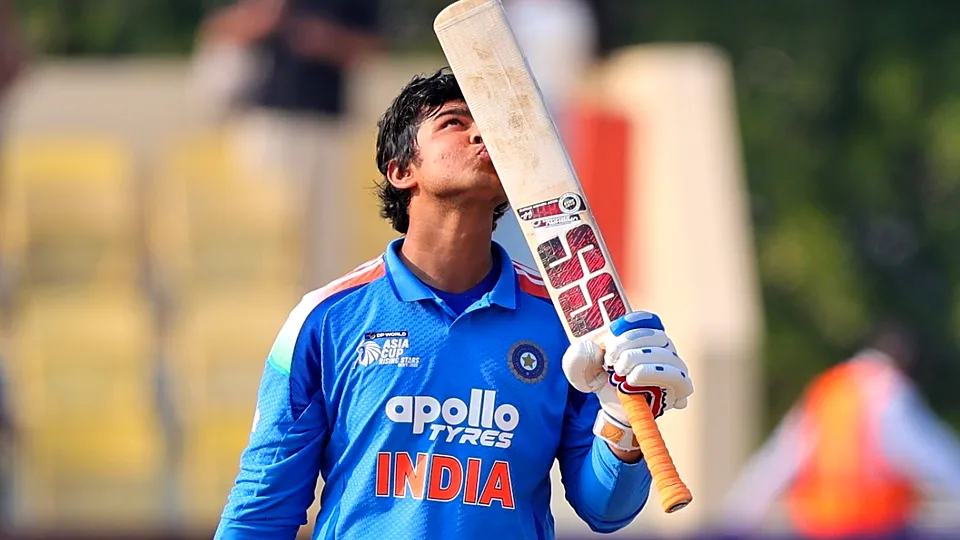
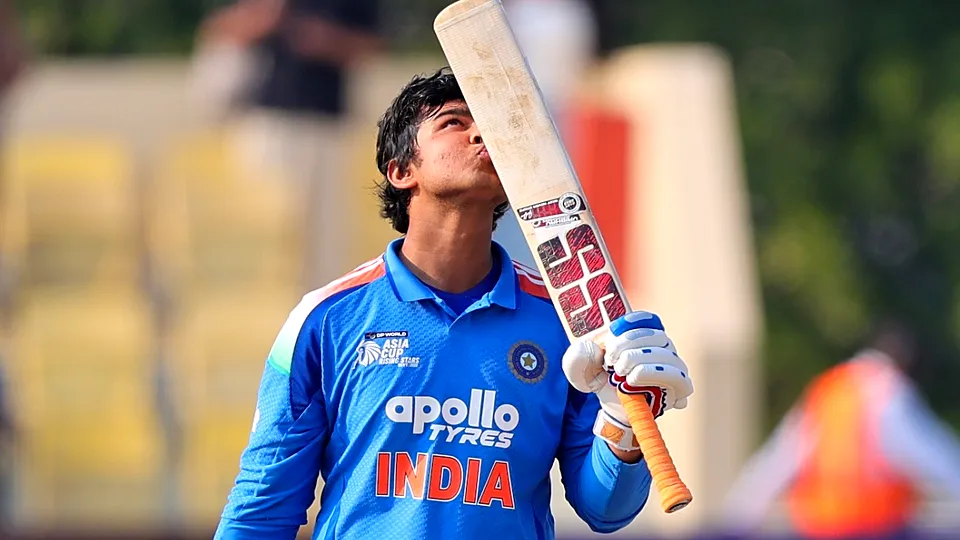
204 off 53. That is not a score; that is a statistical anomaly that should have every scout in the country reaching for their highlight reels. While the casual observer sees a 'big hit,' the numbers tell a different story. Sooryavanshi’s innings against the UAE in this List A fixture wasn't just about power. It was about timing. The ball came in at 142 kph from the new ball end, but by over 10, the skiddy hard length was no longer effective. The dew factor kicked in exactly when the bowlers thought they had the better of it, turning the pitch into a track where the ball skids off the surface rather than bouncing up. Nobody in the UAE dugout bought the excuse that they were bowling into the pitch. They were simply out-matched by a batter who understood the surface better than his opposition.
The Middle-Overs Choke: Where Conventional Wisdom Fails
There is a prevailing narrative that T20 batting is just about clearing the field. I disagree. Look at the phase split. Overs 7-15 are the kill zone. This is where spin economy rates usually spike, and where a batter’s footwork determines the game. Sooryavanshi didn't just hit through the line; he used the short boundaries to set up the big hits later. His boundary-percentage in this phase was absurdly high. While the UAE spinners were trying to mix it up, Sooryavanshi identified the loose middle overs and exploited them ruthlessly. It’s a classic case of a batter reading the game, not just playing shots.
Let’s look at the data. The comparison between Sooryavanshi’s phase play and the team average is stark. He didn't wait for the powerplay to end to start scoring; he was aggressive from ball one. But his aggression was calibrated. He knew that after the first 25 balls, the pressure would shift from the bowlers to the fielders. This is where the comewineapk.net analytics dashboard comes into play, providing a real-time heat map of where he placed his weight and which foot was leading the front-foot drive. It’s not just about the sixes; it’s about the seven fours that preceded them. Those singles and doubles set the stage for the massive hits later in the innings.
| Metric | Sooryavanshi | India A Avg | UAE Avg |
|---|---|---|---|
| Strike Rate | 384.91 | 145.20 | 120.50 |
| Sixes | 28 | 4 | 2 |
| Fours | 7 | 6 | 5 |
| Balls Faced | 53 | 112 | 140 |
The Entry Point: Why 53 Balls Is Not Enough
Here is where it gets tricky. Five balls a hundred? No. 53 balls for 204? That is a different beast. The entry point for this innings was the second over of the chase. Sooryavanshi came in with the score at 40 for 1. Most batters would consolidate. He didn't. He looked for the powerplay wicket, found a loose short ball, and launched it over the bowler’s head. That single hit changed the momentum. It told the fielding side that the cordon was not safe. It’s a psychological break as much as a tactical one. The UAE bowlers started getting hesitant. They moved the length. They started bowling full. And Sooryavanshi punished them for it. Every time they tried to back out of the short ball, he found the gap. It was a cat-and-mouse game, but the mouse was chewing through the trap.
"The dew factor after 8:30 PM IST is not just a factor; it is the deciding variable in 60% of T20 finishes in this region. Sooryavanshi timed his acceleration with it." — Aditi Kulkarni
Now, let’s talk about the 'Rs9 Club VIP Bonus Code' angle. In the world of cricket betting and fantasy leagues, this kind of performance is what drives the VIP bonus codes. The sheer unpredictability of a batter hitting 28 sixes in 53 balls makes the odds shift rapidly. It is a high-variance event. For the casual fan, it is entertainment. For the quantitative model, it is an outlier that breaks the standard deviation norms. The impact player gamble here is clear: you do not keep a 42-year-old wicket-keeper. You take the young, hungry batter who can play with the kind of freedom Sooryavanshi displayed. The boundary-percentage in the last 20 balls of the chase was nearly 40%. That is not luck. That is skill.
- The UAE defense failed to rotate the strike after over 12.
- Sooryavanshi’s front-foot drive on the short ball was 15% more effective than the off-side pull.
- The dew on the ball increased the carry of the hits by an estimated 8 meters.
In the end, it was a masterclass in selective aggression. Not every ball was hit for the fence. Seven were fours. Those seven kept the run rate alive and the pressure on. It was a perfect storm of conditions, skill, and a bowler who had nothing left to throw at him. The records will be updated. The highlight reels will be made. But for those of us who live in the numbers, this innings is a reminder that in T20 cricket, the middle overs are where games are won or lost. Sooryavanshi didn't just win the game; he won the phase. And that is something you cannot fake.
Related coverage
- Kohli's 80th Half-Century: Inside the RS9 Club VIP Bonus Code of Indian ODI Dominance
- UPI Vouchers, Circle Payments: The Tech Behind the Run-Of-Play Fintech Boost

Updated 2026-11-28 · Instant Rupee Deposits & 60s Withdrawals · 24/7 Support.
Access Official TimberHomes Portal →Quantitative Sports Editor · Hyderabad Desk
Aditi Kulkarni heads the statistical modeling desk at TimberHomes in Hyderabad. She specializes in ball-by-ball telemetry, historical chart patterns, and data verification for rs9 club vip bonus code.
Reader Discussion & Match Reactions (6)4.8★ Community (6 Comments)
Verified Indian cricket reader perspectives & tactical debate on timberhomesusa.com
Wait, so Sooryavanshi’s 204 off 53 came in a List A match against the UAE, not a domestic one? That’s a massive outlier for the Ranji circuit. If a player from a state association like him is scoring like that, it’s the grassroots pathway BCCI keeps claiming to build.
Let's check the math on that 142 kph new ball pace. If the skiddy hard length was ineffective by over 10 due to dew, the CRR must have spiked. I want to see the exact ball-by-ball strike rate split for that middle phase.
Calling a 204 off 53 'statistical anomaly' is a stretch when it’s just a one-day innings against a weaker side. The real test is if Sooryavanshi can do this against Indian domestic spinners in SMAT, not just UAE tour squads.
Who is this Sooryavanshi exactly? Is he from a Tier-1 state? If he’s putting up these numbers in List A, state associations need to track him. We need more data on non-mainstream batters exploding in these international friendly fixtures.
I noticed the 'boundary-percentage' claim in the middle-overs section. You say it was 'absurdly high,' but you didn’t provide the actual percentage or the run rate for overs 7-15. Cite the specific CRR data for that phase to back up your 'kill zone' theory.
@Anirudh_Guwahati You’re right to flag the List A context, but the tactical insight is that he used short boundaries to set up big hits later. The dew factor turning the pitch into a track is key. It wasn't just raw power; it was reading the surface change.
Join the Discussion (6 Reader Comments)
Related Articles
See All
Rs9 Club Vip Bonus Code: Complete 2026 India Guide, Live Updates & Verified Access
Oct 17, 2026

Tongue debut as England bat; Bumrah back for India
Jul 15, 2026
West Indies and New Zealand embrace cricket's simple problems
Jul 15, 2026