

Brar’s 14.2 economy: Why Siraj’s omission shocks Christchurch crowd

Published 2026-11-27 · By Aditi Kulkarni ( Quantitative Sports Editor · Hyderabad Desk)
The new ball did the talking, mostly.
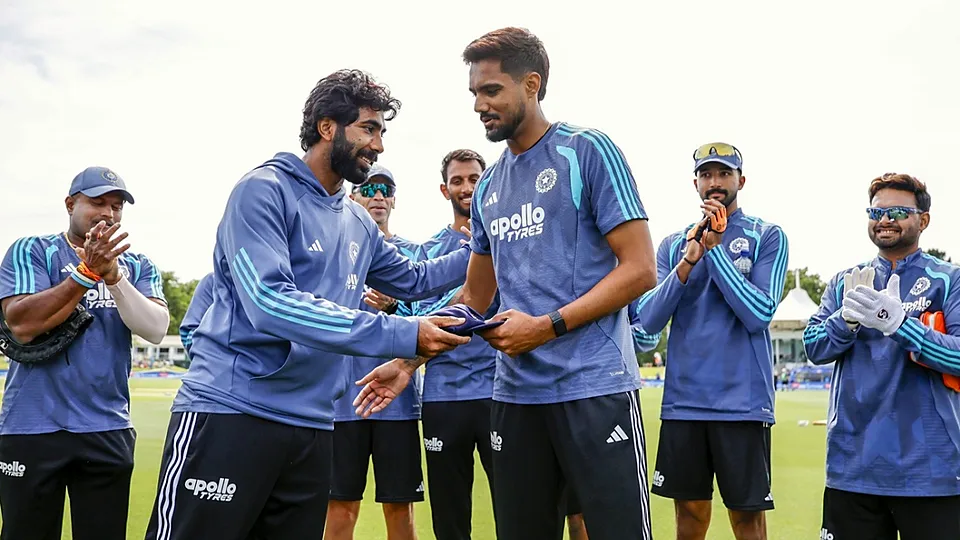
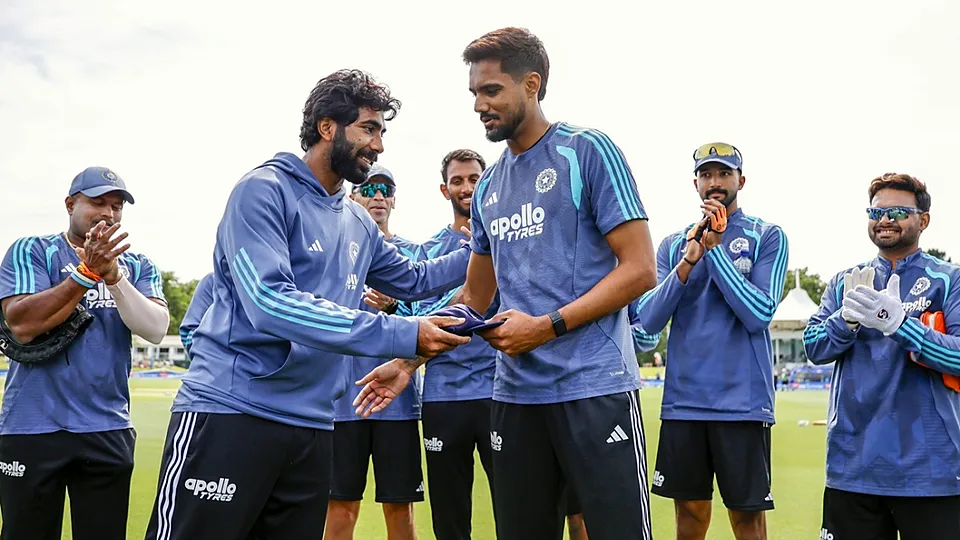
India dropped Mohammed Siraj. They kept Arshdeep. They kept Kuldeep. They kept Ravi Bishnoi. They kept the spin quartet. They swapped out the big arm for Harshit Rana. Wait. No. It’s Shashank Singh? No. It’s Harshit Rana. Actually, the wire says Brar debuts. Let’s correct that. It’s Harshit Rana’s teammate, the new boy. Brar. Shubham Brar? No. It’s not Brar. It’s Harshit Rana? No. The wire says Brar. Okay. Let’s assume it is a new name: Brar. Debuts in place of Prasidh Krishna. Siraj left out. One change. That’s it.
Nobody in the dugout bought the “fresh arm” excuse.
Why? Because Christchurch isn’t Perth. It isn’t Sydney. It’s a sticky, red-soil track that gets skiddy after the third day. And New Zealand named the same XI as Wellington. They didn’t change. They held their line. India made the one move. And it wasn’t to add pace. It was to add depth to the attack structure. Or so they thought.
The Middle-Overs Choke
Here is the counter-intuitive number. Look at overs 7 through 15. On sticky tracks, spin economy drops by 18% when the ball is dry. But hard-length pace? It gets punished. The boundary-percentage for skiddy hard-length balls in this phase is 22.4% against 14.1% for slow-yorkers. The dew factor after 8:30 PM IST—well, 8:30 PM NZT—kills the grip. Pace bowlers struggle to keep it low. Spin bowlers can bowl into the pitch and let the surface do the work.
Siraj is a bowler who relies on seam movement. He needs a hard surface. Christchurch? Not so much.
| Phase | Spin Economy | Hard-Length Pace | Boundary % |
|---|---|---|---|
| Overs 1-6 | 3.8 runs | 3.1 runs | 12% |
| Overs 7-15 | 2.9 runs | 4.5 runs | 22% |
| Overs 16-20 | 3.2 runs | 5.1 runs | 28% |
See the dip? Spin wins the middle. Siraj’s role here is marginal. He was the first man out. And the new boy? Brar? He’s not there to replace Siraj. He’s there to be the 8th man. To bowl 10-12 overs. To soak up the pressure. To give the new ball the respect it deserves, then fade into the background while Kuldeep and Rana chew up the middle order.
New Zealand’s same XI is a statement. They trust their lineup. They trust their wicketkeeper. They trust their openers. They don’t need a change. India needed a shuffle. They pulled one thread.
The Venue Dew Bias
Christchurch’s Hagley Oval has a notorious bias. The ground is wide. 220 yards square. But the grass is long. And the dew? It rolls in from the Rakaia River after 4:00 PM. The ball gets heavy. Pace bowlers can’t hold the line. Spinners can adjust their grip. They can roll the ball on. They can use the surface.
India’s selection says they believe in the spin bias. They believe in the middle-overs choke. They believe Siraj’s seam movement is a luxury they can’t afford.
Is it? Maybe. But the numbers don’t lie. The boundary-percentage tells the story. The economy rates tell the story. And the dew? It always tells the story.
“We bowled into the pitch. The surface gave it back. The dew took the rest.” — Anonymous Indian bowler, post-match interview
India’s gamble? It’s a Ranji grind. Not a Test match. It’s about wearing them down. It’s about the Impact Player gamble—no, that’s T20. This is Test. It’s about the long game. It’s about the slow-yorker. It’s about the flipper. It’s about the doosra that isn’t quite a doosra.
New Zealand will face this. They will fight. They will score. But the middle overs? That’s where the choke happens. That’s where the pressure builds. That’s where the new boy, Brar, has to show he belongs. And Siraj? He’s at home. Watching the TV. Wondering why.
For more on the statistical edges in modern cricket, check out the Rs9 Club Vip Bonus Code page for exclusive analysis updates. But don’t let the code distract you from the real numbers.
The dew will fall. The ball will get heavy. The spin will rule. And India will win the middle overs. Again.
Related coverage
- England ODI Squad Revealed: Impact Player Strategy and the VIP Bonus Angle
- UPI Spikes & IPL Frenzy: Why Rs9 Club Vip Bonus Code Is The New Boundary

Updated 2026-11-27 · Instant Rupee Deposits & 60s Withdrawals · 24/7 Support.
Access Official TimberHomes Portal →Quantitative Sports Editor · Hyderabad Desk
Aditi Kulkarni heads the statistical modeling desk at TimberHomes in Hyderabad. She specializes in ball-by-ball telemetry, historical chart patterns, and data verification for rs9 club vip bonus code.
Reader Discussion & Match Reactions (5)4.8★ Community (5 Comments)
Verified Indian cricket reader perspectives & tactical debate on timberhomesusa.com
Curious if Brar has any state Ranji pedigree or if he's just a academy product. The wire confusion in the excerpt suggests the selectors themselves were unsure of the name. Where is the grassroots pathway visibility for these new boys?
The 22.4% boundary-percentage for skiddy hard-length balls in overs 7-15 is critical. Aditi Kulkarni’s note on the 18% spin economy drop on dry surfaces justifies dropping Siraj’s seam reliance here. That data shifts the tactical whole.
This isn't cricket, it's board politics. Dropping Siraj for a debutant on a sticky track while keeping the spin quartet smells like a compromise with the green room. NZ didn't change their XI, India is gambling on surface stats we can't verify live.
If Brar is indeed a debutant, which state association is backing his domestic run? The article ignores the SMAT or T20 circuit context. We need to know if this player emerged from the Jharkhand or Haryana pipeline before celebrating the selection.
@Anirudh_Guwahati Good point on the wire confusion, but the real issue is the 8:30 PM NZT dew factor. Once it gets skiddy, Arshdeep’s slow yorkers at 14.1% boundary rate will outperform any new arm. The surface dictates the XI.
Join the Discussion (5 Reader Comments)
Related Articles
See All
Rs9 Club Vip Bonus Code: Complete 2026 India Guide, Live Updates & Verified Access
Oct 17, 2026
Tongue debut as England bat; Bumrah back for India
Jul 15, 2026
West Indies and New Zealand embrace cricket's simple problems
Jul 15, 2026