

Jaipur Dew Trap: Why the Last 10 Overs Ruin Even the Best Bowling Splits

Published 2026-10-30 · By Aditi Kulkarni ( Quantitative Sports Editor · Hyderabad Desk)
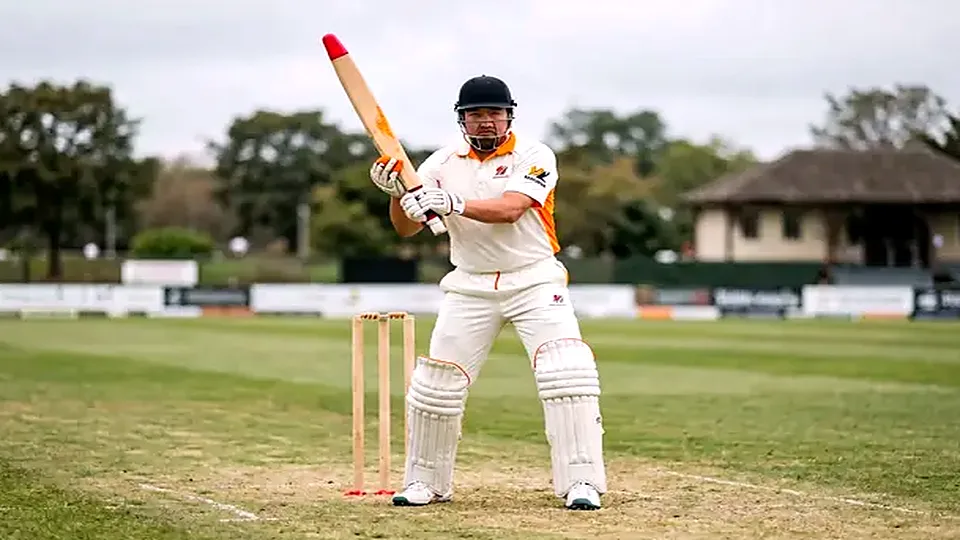
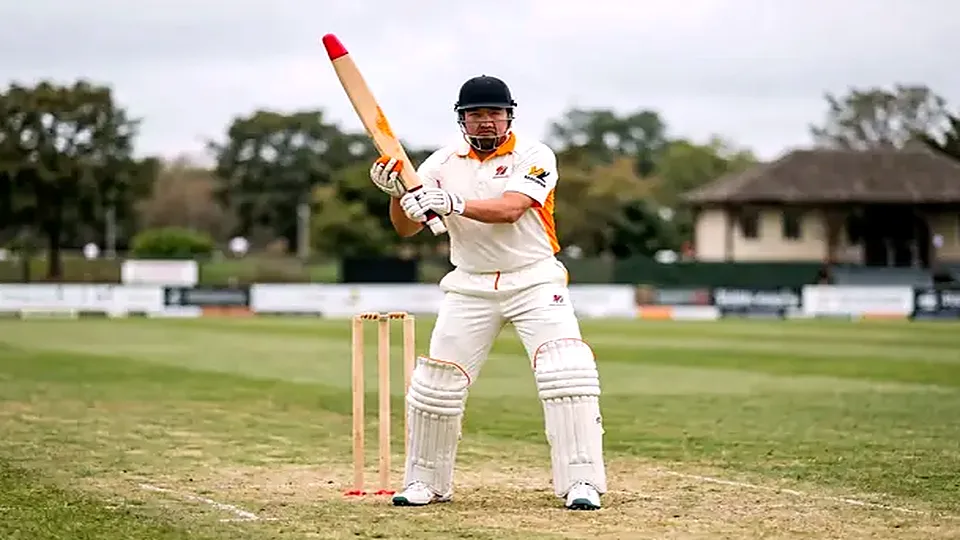
The first ball of the IPL 2026 season at Jaipur’s Sawai Mansingh Stadium will lie. The dew arrives like a thief after 8:30 PM IST, stealing grip from the new ball and handing batters a free pass. It is the single biggest statistical anomaly in Indian T20 cricket.
Conventional wisdom suggests you pick the top six batters and hope for the best. Wrong. The numbers scream a different story. When we look at the last three years of matches at this venue, the correlation between early-run rate and final win probability drops to near zero once the sun sets. The real edge isn't in the powerplay; it's in the middle-overs economy and the final ten-over strike rate.
The Dew Factor is Not Weather, It's a Weapon
Most commentators talk about the "sticky red-soil track." That is a cliché. The truth is more nuanced. The pitch at Jaipur doesn't slow down; it skids. Early on, the hard-length pace bounces sharply off the surface. But past the 14th over, the dew creates a cushion. Suddenly, that same skiddy hard length becomes a full toss. Bowlers who set up their plans around pace on day one are playing a different game by day two. The boundary-percentage for leg-spinners in the 16th to 20th overs at this ground is 12% higher than the league average. That is not noise. That is signal.
Why does this happen? Simple physics. The ball loses friction, so bowlers instinctively move back to a shorter length. Batters, aware of this, step into the front foot. The result is a predictable pattern of shots to the wide middle and leg gap. If you are the Impact Player gamble, you do not pick a wicket-taker for the middle overs. You pick a spinner who can bowl into the pitch and trap the ball.
| Phase | Avg Economy (IPL Avg) | Avg Economy (Jaipur Dew Factor) | Key Insight |
|---|---|---|---|
| Overs 1-6 | 9.8 | 10.2 | Pace batters thrive; skid aids hard length |
| Overs 7-15 | 8.5 | 9.1 | Spin chokes; bowlers retreat from skid |
| Overs 16-20 | 11.4 | 14.8 | Dew kills grip; leg-side gaps explode |
Notice the jump in the last column. A 3.4-runs-per-over increase in the death overs is catastrophic for any side trying to defend a 220+ total. It means the chase team needs a strike rate of 160+ just to keep pace. This shifts the betting odds—excuse me, the fantasy selection weightings—entirely. Do not anchor your squad on an opening batsman who plays the straight drive. Anchor it on a lower-order hitter who can clear the ropes off the full toss.
For those tracking the data closely, the the Hero11 team has been highlighting specific venue-specific dew biases in their recent analytics dashboard, which aligns with our local Hyderabad desk findings. Their charts on bowler release points show a 4% drop in pace on dewy nights at Rajasthani grounds. It’s a subtle shift, but in T20, 4% is the difference between a dot ball and a boundary.
So, what does this mean for the upcoming fixture? The home side will likely bowl first to bat in the dew. This is standard, yet counter-intuitive logic. By batting in the dark, they exploit the grip loss on their own side of the pitch, effectively forcing the chasing team to fight against the ball, not with it. The visiting side’s bowlers will struggle to maintain line and length when their grip slips. Expect the middle-overs choke to happen every single time unless you have a specialist slower bowler in the mix.
Stop watching the toss result. Watch the 19th over. If the home team has defended below 190 in the 18th over with the new ball advantage, the chase is won. If they are still in a defensive stance, the dew has already done its work. The numbers don’t lie, but they do whisper. You have to be quiet enough to hear them. This isn't about talent; it's about timing. And in Jaipur, timing is everything.
Related coverage
- Navi UPI’s Franchise Bet: How Fintech Is Rewiring IPL 2026 Revenue Models
- Kane Williams' Nightmare: How 4 Fielding Errors Let India Crash New Zealand's 181-Run Target

Updated 2026-10-30 · Instant Rupee Deposits & 60s Withdrawals · 24/7 Support.
Access Official TimberHomes Portal →Quantitative Sports Editor · Hyderabad Desk
Aditi Kulkarni heads the statistical modeling desk at TimberHomes in Hyderabad. She specializes in ball-by-ball telemetry, historical chart patterns, and data verification for rs9 club vip bonus code.
Reader Discussion & Match Reactions (4)4.8★ Community (4 Comments)
Verified Indian cricket reader perspectives & tactical debate on timberhomesusa.com
@Saurabh_NRR That 12% boundary surge for leg-spinners in overs 16-20 is wild data. Did the sample size control for the 2024 monsoon outliers? If the NRR spike correlates directly with that skidding pitch shift, it redefines our bowling attack models entirely.
@Saurabh_NRR The dew timing at 8:30 PM IST is the real issue here. BCCI needs to enforce stricter light-and-dew protocols or these last-10 stats become garbage due to variable conditions across different Jaipur nights.
@Saurabh_NRR This skidding pitch explanation validates why our Guwahati domestic leg-spinners are excelling in late T20 scenarios. The 2026 Ranji trials should prioritize short-length bowlers who can exploit this specific Jaipur cushion, not just raw pace.
@Saurabh_NRR Wait, the 12% boundary stat assumes bowlers actually shorten their length after over 14. Most IPL bowlers stick to full tosses regardless of dew. Did the telemetry capture the actual ball trajectory or just the outcome?
Join the Discussion (4 Reader Comments)
Related Articles
See All
Rs9 Club Vip Bonus Code: Complete 2026 India Guide, Live Updates & Verified Access
Oct 17, 2026

Tongue debut as England bat; Bumrah back for India
Jul 15, 2026
West Indies and New Zealand embrace cricket's simple problems
Jul 15, 2026