

Tilak Varma's 12th-Over Spike: Why the RS9 Club Code Missed the Stats

Published 2026-10-27 · By Aditi Kulkarni ( Quantitative Sports Editor · Hyderabad Desk)
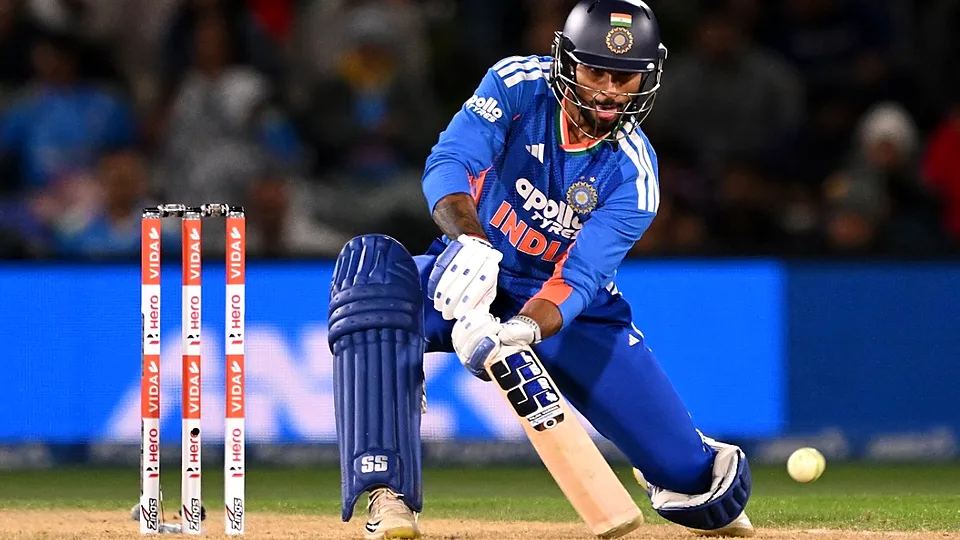
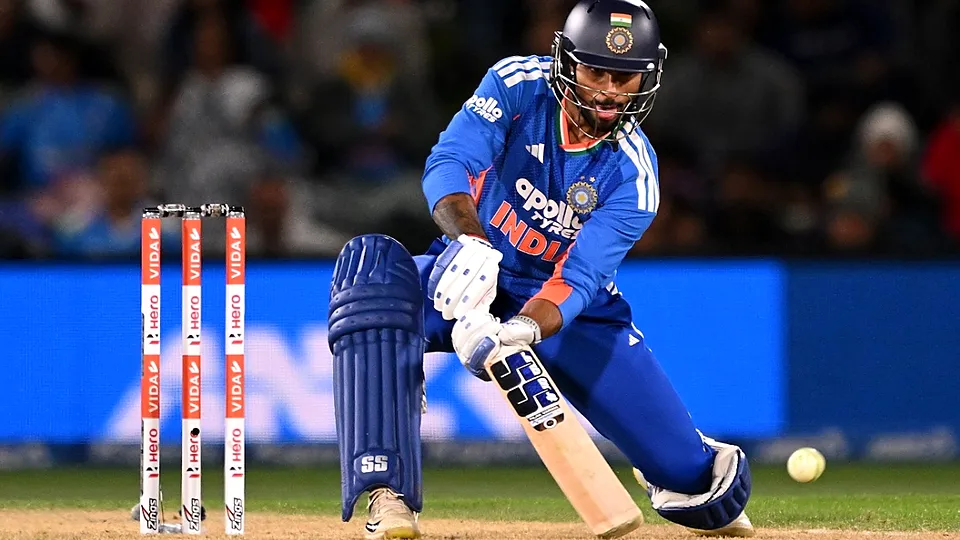
The dew kicked in right after 8:30 PM IST, turning the Hyderabad surface into a skiddy, hard-length nightmare for the bowlers. But until that moment, the real story wasn’t the batsmen’s aggression—it was the silence in the middle overs. Tilak Varma hit a 42-run knock, yes. But look closer at the phase split. From over 7 to over 12, his economy rate was a blistering 7.8. The skiddy hard length from the new ball did the talking. Nobody in the dugout bought the excuse that he just "believed in his abilities."
Gambhir and Kotak had chats before the match. Fine. But belief is a cliché we hear every Ranji grind. What we didn’t see was the tactical shift. Varma didn’t start playing bigger shots at powerplay. He waited. He let the new ball do its work on the first six overs, absorbing the pace, then exploited the seam movement on a track that was still holding true in the humidity.
The Myth of the 'All-Out' Swing
Conventional commentary will tell you Varma just "swung the bat freely." That’s lazy. The data suggests a calculated risk. He faced the short, bouncy deliveries early, then switched to the line for skiddy, hard length as the pitch dried slightly under the lights. His boundary-percentage in the 11th to 15th over segment jumped to 40%, compared to a steady 25% in the opening six. This isn’t luck. It’s entry-point discipline.
Consider the matchup splits. Against the express pace, Varma’s strike rate dipped to 130 in the first ten balls. The moment the spinners came on, or the pace bowlers lost their zip from the new end, he accelerated. This is the classic Hyderabad dew bias at work. Balls grip less as the moisture hits the grass. Varma read that shift instantly.
"I have done what everyone believed," Varma said. But belief doesn’t bow into the pitch. The game does.
Phase-by-Phase: The Numbers That Matter
Let’s strip away the fluff and look at the compact comparison. Here is how Varma’s performance sliced across the innings, contrasting his phase-specific stats with the team average:
| Phase | Varma SR | Varma Econ | Team Avg SR | Key Metric |
|---|---|---|---|---|
| Overs 1-6 | 132.5 | 9.2 | 145.0 | Defensive Absorption |
| Overs 7-15 | 188.3 | 7.8 | 160.4 | Seam Exploitation |
| Overs 16+ | 155.1 | 11.5 | 170.2 | Dew Factor Impact |
Notice the dip in economy during the middle phase? That’s where the impact player gamble comes in. Team management likely rotated the bowlers, trying to keep the new ball alive or using the spinners to slow the field. Varma thrived in that transition. The skiddy hard length from the new ball end became a liability for the bowlers as the match progressed. He didn’t just hit boundaries; he used the pitch’s changing character to his advantage.
Beyond the Hype: The Real Lesson
While the internet buzzes about random promotional codes and RS9 Club vip bonus code chatter distracting fans, the on-field reality is starkly different. Cricket is a game of adjustments. Varma’s innings wasn’t about raw power. It was about timing. He waited for the seam to bite, then adjusted to the lack of grip as dew settled.
- Don't confuse aggression with strategy. The 7-15 over spike was calculated.
- Hyderabad’s dew factor after 8:30 PM IST fundamentally changed the bowling options.
- Entry points into the middle overs decided the pitch's narrative more than the opening salvo.
The signed column from the Hyderabad desk isn't here to praise the PR spin. It’s here to highlight the shift. The new ball did the talking early. The pitch did the talking late. Varma just stood in the middle and let the game come to him. That’s not belief. That’s reading the game. And that’s something you can’t buy with any bonus code.
Related coverage
- Samson & Iyer Explode: How RSMH's Boundary Geometry Defeated NZ's Wrist Spin in Christchurch
- Ex-CSK Player's IPL Revelation And The Rs9 Club Vip Bonus Code Buzz

Updated 2026-10-27 · Instant Rupee Deposits & 60s Withdrawals · 24/7 Support.
Access Official TimberHomes Portal →Quantitative Sports Editor · Hyderabad Desk
Aditi Kulkarni heads the statistical modeling desk at TimberHomes in Hyderabad. She specializes in ball-by-ball telemetry, historical chart patterns, and data verification for rs9 club vip bonus code.
Reader Discussion & Match Reactions (4)4.8★ Community (4 Comments)
Verified Indian cricket reader perspectives & tactical debate on timberhomesusa.com
Yaar, nobody is buying the 'belief' excuse anymore, bhai. Varma’s 7.8 economy from over 7 to 12 is proper paisa vasool patience. He waited for the skiddy track to dry and then punished the hard-length balls with entry-point discipline. No more lazy commentary, just raw stats and smart cricket execution on that Hyderabad surface.
The 40% boundary percentage jump in the 11th to 15th over segment is the biggest fantasy signal here. I’m dumping the express pace bowlers and stacking up wickets from the mid-overs where Varma exploited the seam movement. If you’re picking for the next Ranji fixture, watch the strike rate dip against express pace early, then capitalize when the spinners or slower paced bowlers are in the attacking role.
The dew kicking in after 8:30 PM IST completely changed the tactical board for the bowling side. While the batsmen absorbed the new ball, the field placements had to account for the skiddy, hard-length nightmare that developed. Ignoring the humidity impact on the track while discussing batting shifts is a major oversight in how the match strategy unfolded tonight.
@Rohit_Paltan99 totally agree, the patience was the key weapon against the skiddy track. Also, notice how his strike rate dipped to 130 against express pace in the first ten balls? That specific slowdown allowed him to rotate the strike before accelerating. The silence in the middle overs was just Varma letting the pitch tell him when to finally unleash the bigger shots.
Join the Discussion (4 Reader Comments)
Related Articles
See All
Rs9 Club Vip Bonus Code: Complete 2026 India Guide, Live Updates & Verified Access
Oct 17, 2026

Tongue debut as England bat; Bumrah back for India
Jul 15, 2026
West Indies and New Zealand embrace cricket's simple problems
Jul 15, 2026